Planning to Travel Abroad? A Step-by-Step Guide to Preparing Your Documents
Travelling abroad requires more than choosing a destination and booking a flight. Whether you are planning to study, work, visit family, travel for tourism, attend a business meeting, or relocate, proper documentation is one of the most important parts of the process. Many travellers face delays because they start late, use the wrong documents, submit incomplete information, or do not understand what is required for their visa type. With the right preparation, the travel process becomes clearer, better organized, and less stressful. At BS Travel and Tour Services, we assist clients with visa application guidance, travel documentation support, appointment booking assistance, study abroad support, work abroad guidance, and travel planning for destinations such as the UK, Canada, USA, Australia, New Zealand, Europe, Africa, and Asia. Why Document Preparation Is Important Before Travelling Abroad Your travel documents help prove your identity, travel purpose, financial readiness, accommodation plan, relationship to sponsors or family members, and intention to follow the rules of your destination country. Poor document preparation can lead to: Application delays Missed visa appointments Extra document requests Confusing application details Possible visa refusal Travel booking problems Stress close to your travel date That is why it is better to prepare early and follow a clear process. Step 1: Confirm Your Travel Purpose Before preparing any document, first identify why you are travelling. Your travel purpose determines the type of visa you may need and the documents required. Common travel purposes include: Studying abroad Working abroad Visiting family or friends Tourism or holiday travel Business travel Transit travel Family relocation Permanent residence application Medical travel Attending events, conferences, or ceremonies For example, a student visa application may require admission documents, while a visit visa may require an invitation letter, travel itinerary, accommodation details, and proof of funds. Step 2: Choose the Right Visa Type After confirming your travel purpose, the next step is choosing the correct visa category. Applying under the wrong visa type can delay your process or affect your application. Common visa types include: Student visa Work visa Visit visa Transit visa Family visa Resident permit Permanent resident visa Business visit visa Tourist visa Dependant visa If you are not sure which visa type applies to your situation, it is better to ask for guidance before completing the application. Step 3: Check Your Passport Your passport is the main travel document you need before applying for a visa or planning international travel. Check that your passport: Is valid Has enough blank pages Is not damaged Has your correct name and date of birth Matches your other personal documents Will remain valid for the required period after your intended travel date Some countries require your passport to be valid for several months beyond your planned stay. Always check the passport validity rule for your destination. Step 4: Prepare Your Personal Identification Documents Personal identification documents help confirm who you are and support the details in your application. These may include: Passport bio page National ID card Birth certificate Marriage certificate, where applicable Name change documents, where applicable Previous passports, where applicable Passport-size photographs Police clearance, where required Make sure your name, date of birth, and other personal details are consistent across all documents. Step 5: Prepare Proof of Travel Purpose Your documents should clearly explain why you want to travel. For students, this may include: Admission letter School acceptance letter Tuition payment proof, where applicable Academic certificates Transcripts Study plan or statement of purpose Scholarship documents, where applicable For workers, this may include: Job offer letter Employment contract Work permit documents Professional certificates Updated CV Reference letters Employer sponsorship documents, where applicable For visitors or tourists, this may include: Invitation letter Hotel booking Travel itinerary Event invitation Family visit details Tour plan For family visa applicants, this may include: Marriage certificate Birth certificate Proof of relationship Sponsor documents Sponsor’s immigration status Family support letter Step 6: Organize Your Financial Documents Many visa applications require proof that you can support yourself during your trip or stay. Financial documents may include: Bank statements Payslips Employment letter Business registration documents Business bank statements Tax documents Sponsorship letter Sponsor’s bank statements Scholarship letter Proof of income Your financial documents should be genuine, clear, and consistent with your travel purpose. If someone is sponsoring you, their documents should also explain their relationship to you and their ability to support your trip. Step 7: Prepare Employment or Business Documents If you are employed, your work documents can help show your current status and connection to your home country. Employment documents may include: Employment confirmation letter Leave approval letter Recent payslips Staff ID, where applicable Tax or pension contribution records If you run a business, you may need: Business registration certificate Business bank statements Tax documents Business profile Invoices or contracts Evidence of business activity These documents are especially useful for visit visa, business travel, and proof of funds support. Step 8: Prepare Accommodation and Travel Plan Documents Your application may require details of where you will stay and how you intend to travel. Accommodation documents may include: Hotel booking Host invitation letter Host address School accommodation confirmation Employer-arranged accommodation documents Rental or tenancy details, where applicable Travel plan documents may include: Travel itinerary Flight reservation Planned travel dates Return travel plan Tour schedule Conference or event schedule Avoid buying non-refundable tickets too early unless the visa process specifically requires it or your travel plan is confirmed. Step 9: Check Transit Requirements If your journey includes a stopover in another country, check whether you need a transit visa. Many travellers only check the final destination and forget the countries they will pass through. Transit visa requirements may depend on: Your nationality Transit country Airline route Layover time Whether you will leave the airport Whether you need to change airports Whether you need to collect baggage Whether your final destination visa is already approved Checking transit rules early can help you avoid airport problems and travel disruptions. Step 10: Complete Your Visa Application Form Carefully Your visa application
Common Visa Application Mistakes and How to Avoid Them
Applying for a visa requires careful preparation. Many applicants are refused, delayed, or asked for extra information because of simple mistakes that could have been avoided. Whether you are applying for a student visa, work visa, visit visa, transit visa, family visa, or permanent residence pathway, the quality of your application and supporting documents matters. At BS Travel and Tour Services, we assist clients with visa application guidance, documentation support, appointment booking assistance, and travel preparation for destinations such as the UK, Canada, USA, Australia, New Zealand, Europe, Africa, and Asia. Why Visa Applications Need Careful Preparation A visa application is not only about filling out a form. It is about presenting clear, honest, and consistent information that supports your travel purpose. Your documents should show who you are, why you want to travel, how you will support yourself, where you will stay, and whether your application matches the visa category you selected. Small mistakes can create doubts, delay the process, or affect the outcome of your application. 1. Applying for the Wrong Visa Type One common mistake is choosing the wrong visa category. For example, someone travelling to visit family may mistakenly apply under a tourism category when a family visit option would be more appropriate. A student, worker, tourist, business traveller, or transit passenger may each need a different visa type. Before applying, be clear about your travel purpose. Common visa categories include: Student visa Work visa Visit visa Transit visa Family visa Resident permit Permanent residence pathway Business visit visa To avoid this mistake, confirm the visa category that matches your purpose before completing the application. 2. Submitting Incomplete Documents Incomplete documents can weaken your application or cause delays. Many applicants start the process without checking the full document checklist for their destination and visa type. Common missing documents include: Valid passport Appointment confirmation Visa application form Bank statements Employment letter Admission letter Invitation letter Travel itinerary Accommodation details Sponsorship documents To avoid this mistake, prepare a document checklist before submission and confirm that every required document is included. 3. Providing Inconsistent Information Your application form and documents must tell the same story. If your name, date of birth, employment details, travel dates, address, school information, or sponsor details do not match, it can create confusion. Examples of inconsistent information include: Different spellings of your name Wrong passport number Different travel dates across documents Employment details that do not match your letter Different addresses on forms and supporting documents Sponsor details that are unclear or incomplete To avoid this mistake, review all documents before submission and make sure the information is consistent. 4. Using Fake or Altered Documents Submitting fake documents is one of the most serious visa application mistakes. This can include fake bank statements, false employment letters, altered certificates, fake invitation letters, or misleading sponsorship documents. This mistake can lead to refusal and may affect future applications. Avoid using: Fake bank statements False job letters Altered school documents Fake invitation letters Misleading sponsorship documents Incorrect travel history False business documents To avoid this mistake, use only genuine documents that you can explain clearly. 5. Weak Proof of Funds Many visa applications require proof that you can support yourself during your stay. Weak or unclear financial documents can raise questions about your ability to cover travel costs, accommodation, tuition, living expenses, or return travel. Proof of funds may include: Bank statements Payslips Employment letter Business income documents Sponsorship letter Sponsor’s bank statements Scholarship letter Tax records where applicable To avoid this mistake, make sure your financial documents are clear, genuine, and suitable for your travel purpose. 6. Not Explaining the Purpose of Travel Clearly Your travel purpose should be easy to understand. If you are travelling for study, your documents should support your education plans. If you are visiting family, your documents should show the relationship and reason for the visit. If you are travelling for business, your invitation or business documents should be clear. Common travel purposes include: Studying abroad Working abroad Tourism Family visits Business meetings Transit travel Long-term relocation Permanent residence application To avoid this mistake, make sure your documents clearly support your stated reason for travel. 7. Poorly Prepared Invitation or Sponsorship Letters Invitation and sponsorship letters are important for many visit, family, business, and student visa applications. A weak letter may not explain who is inviting you, why you are travelling, how long you will stay, or who will support the trip. A good invitation or sponsorship letter should include: Full name of the inviter or sponsor Address and contact details Relationship with the applicant Purpose of visit Duration of stay Support being provided Signature where required Supporting documents from the sponsor where needed To avoid this mistake, make sure the letter is clear, honest, and supported by relevant documents. 8. Ignoring Previous Visa Refusals Some applicants hide previous visa refusals because they think it will improve their chances. This can create bigger problems if the application form asks about past refusals and the applicant answers incorrectly. If you have been refused before, be honest where the application asks for that information. You may also need to explain what has changed since the previous refusal. To avoid this mistake, review your previous refusal letter and prepare your new application carefully. 9. Applying Too Late Visa applications can take time. Waiting until the last minute can lead to rushed documents, missed appointments, travel delays, or costly changes to your plans. Late applications can affect: School resumption dates Job start dates Flight bookings Hotel reservations Family events Business meetings Holiday plans Travel insurance timelines To avoid this mistake, start early and allow enough time for document preparation, appointment booking, and processing. 10. Not Preparing for the Visa Appointment Some visa applications require an appointment for biometrics, document submission, or an interview. Attending an appointment without preparation can create stress and mistakes. Before your appointment, confirm: Date and time Location Required documents Appointment confirmation Payment receipt Security rules Passport validity Application reference number
Visit Visa vs Transit Visa: Key Differences Every Traveller Should Know

When planning to travel abroad, one of the most important things to understand is the type of visa you may need. Many travellers confuse a visit visa with a transit visa, but they are not the same. Choosing the wrong visa type can cause delays, denied boarding, refusal at the airport, or problems during your journey. At BS Travel and Tour Services, we help clients with visit visa assistance, transit visa guidance, documentation support, visa appointment booking, and travel preparation for destinations such as the UK, Canada, USA, Australia, New Zealand, Europe, Africa, and Asia. What Is a Visit Visa? A visit visa is a visa that allows you to enter another country for a short-term stay. It is usually used by people travelling for tourism, family visits, business meetings, events, holidays, medical visits, or other temporary reasons. A visit visa is suitable when you plan to enter the destination country and stay there for a limited period. Common Reasons for Applying for a Visit Visa You may need a visit visa if you are travelling for: Tourism or holidays Visiting family or friends Business meetings Conferences or events Medical appointments Short-term personal visits Religious or cultural events Attending ceremonies or special occasions What Is a Transit Visa? A transit visa is a visa that allows you to pass through a country while travelling to another final destination. It is usually needed when you have a connecting flight, layover, or airport transfer in a country that requires transit permission. A transit visa does not usually allow you to stay in the country for a long time. In many cases, it only allows you to remain in the airport transit area or pass through the country for a short period. Common Reasons for Applying for a Transit Visa You may need a transit visa if: You have a connecting flight through another country You need to change airports during your journey Your layover is long and requires immigration clearance Your airline route passes through a country with transit visa rules You are travelling to a final destination but must stop in another country first You need to collect baggage and check in again during transit Visit Visa vs Transit Visa: Main Difference The main difference is your purpose of travel. A visit visa is for entering and staying in a country temporarily. A transit visa is for passing through a country on your way to another destination. For example, if you are travelling from Ghana to Canada and you stop in the UK only to connect to another flight, you may need to check whether a UK transit visa is required. But if you are travelling to the UK to visit family or tour the country, you may need a UK visit visa instead. How Long Can You Stay? A visit visa usually allows a longer stay than a transit visa, depending on the country and visa conditions. A transit visa usually allows a shorter stay, sometimes only a few hours or a few days, depending on the transit rules of that country. Always check the visa conditions carefully. Even if you are granted a visa, you must follow the allowed stay period and purpose of travel. Documents Commonly Needed for a Visit Visa Visit visa requirements differ by country, but common documents may include: Valid passport Completed visa application form Passport-size photographs Proof of funds Bank statements Employment letter or business documents Invitation letter, where applicable Hotel booking or accommodation details Travel itinerary Flight reservation Proof of family ties or reason to return Previous travel history, where applicable Documents Commonly Needed for a Transit Visa Transit visa documents may also differ by country, but common requirements may include: Valid passport Confirmed onward flight ticket Visa for final destination, where required Travel itinerary Proof of transit route Completed transit visa application form Passport-size photographs Appointment confirmation, where applicable Proof that you will leave the transit country Supporting travel documents Do You Always Need a Transit Visa? Not always. Some countries allow certain travellers to transit without a visa, especially if they stay inside the airport transit area and do not pass through immigration. However, transit rules depend on the country, airport, airline route, nationality, final destination, and length of layover. You should never assume that a transit visa is not needed. Before booking your flight, confirm whether your route requires transit permission. When a Visit Visa May Be Required Instead of a Transit Visa In some situations, you may need a visit visa instead of a transit visa. This may happen if: You want to leave the airport during your layover You need to change airports in the transit country You will stay overnight outside the airport You need to collect luggage and check in again Your layover is longer than the allowed transit period The country does not allow your nationality to transit without a visa This is why checking your full travel route before booking is very important. Common Mistakes Travellers Make Many travellers face problems because they do not understand the difference between visit and transit visas. Common mistakes include: Applying for a transit visa when they actually need a visit visa Booking flights without checking transit visa rules Assuming all layovers are visa-free Forgetting to check if they need to change airports Not checking baggage collection requirements Not carrying proof of onward travel Ignoring the visa rules of the transit country Waiting until the last minute to ask for guidance Which Visa Should You Apply For? The right visa depends on your travel purpose. Apply for a visit visa if you want to enter and stay in a country for tourism, family visits, business, events, or short-term personal travel. Apply for a transit visa if you are only passing through a country on your way to another final destination, and that country requires transit permission. If you are not sure, speak with a travel and visa assistance team before starting your application or booking your flight.
Work Abroad From Ghana: What to Know Before Starting Your Application
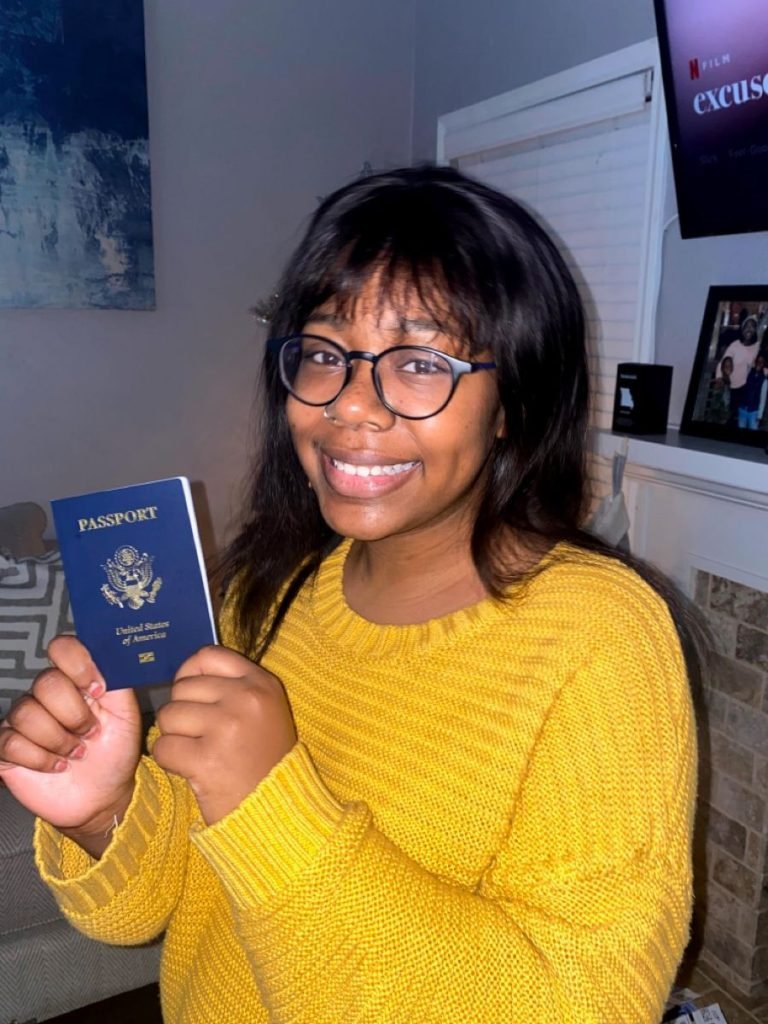
Working abroad is a goal for many Ghanaians and African professionals who want better career opportunities, international experience, improved income, or long-term relocation options. However, before starting a work abroad application, it is important to understand that the process requires proper planning, correct documentation, realistic expectations, and guidance on the right steps to follow. At BS Travel and Tour Services, we assist clients with work abroad guidance, work visa support, resident permit guidance, documentation assistance, appointment booking support, and travel preparation for destinations such as the UK, Canada, USA, Australia, New Zealand, Europe, Africa, and Asia. What Does It Mean to Work Abroad? Working abroad means travelling to another country for employment, professional opportunities, skilled work, contract work, or career development. Depending on the destination country, you may need a work visa, work permit, resident permit, employer sponsorship, job offer, professional documents, or proof of qualifications. Every country has its own rules, so it is important to understand the process before you begin. 1. Know the Country You Want to Work In Before starting your application, decide which country suits your goals, skills, qualifications, and budget. Popular work abroad destinations include: United Kingdom Canada United States of America Australia New Zealand European countries African countries Asian countries Each destination has different work visa requirements, job market needs, salary expectations, and documentation rules. 2. Understand the Type of Work Visa You Need Not all work visas are the same. Some visas are for skilled workers, some are for temporary workers, some require employer sponsorship, and others may be linked to specific industries or shortage occupations. Common work-related options may include: Skilled worker visa Temporary work visa Employer-sponsored work visa Seasonal work visa Resident permit Work permit Job seeker-related pathways where available Permanent residence pathways linked to employment Choosing the wrong visa type can delay your plans, so it is important to get proper guidance before applying. 3. Prepare Your Professional Documents Your work abroad application may require documents that prove your identity, qualifications, experience, and employment background. Common documents include: Valid passport Updated CV or resume Academic certificates Professional certificates Employment letters Reference letters Payslips, where applicable Work experience documents Police clearance, where required Medical documents, where required Your documents should be clear, accurate, and consistent with your application details. 4. Check If You Need a Job Offer Some work visas require a confirmed job offer before you can apply. Others may allow applicants to express interest, enter a pool, or apply through a points-based system depending on the country. A job offer may include: Employer name and address Job title Job description Salary details Contract duration Sponsorship details, where applicable Start date Employment terms Before trusting any job offer, make sure it is genuine. Be careful with people or agencies promising guaranteed jobs without clear information. 5. Understand Employer Sponsorship For many countries, foreign workers may need employer sponsorship. This means an approved employer supports your work visa application. Employer sponsorship may require: A valid job offer Employer registration or licence Employment contract Proof that the job meets visa requirements Salary threshold compliance Occupation eligibility Not every employer can sponsor foreign workers, so it is important to confirm the rules for your destination. 6. Prepare Proof of Funds Some work visa or relocation processes may require proof that you can support yourself during the early stage of your stay. Proof of funds may include: Bank statements Savings records Sponsorship documents Employment contract with salary details Accommodation support documents Financial support letters, where applicable The required amount depends on the destination and visa type. 7. Be Careful With Fake Job Offers Many people lose money through fake work abroad offers. Before paying for any job or visa process, check the details carefully. Warning signs may include: Guaranteed visa approval Job offers with no interview Requests for money without official documents Unclear employer details No proper contract Fake websites or email addresses Pressure to pay quickly Promises that sound too easy A genuine work abroad process usually requires proper documentation, verification, and official application steps. 8. Know the Role of a Travel and Visa Assistance Company A travel and visa assistance company can help you understand the process, prepare documents, book appointments where required, and guide you on the steps to follow. At BS Travel and Tour Services, our support may include: Work visa guidance Resident permit guidance Work permit support Documentation assistance Appointment booking guidance Travel preparation support Destination requirement guidance General relocation support However, final visa decisions are always made by the relevant embassy, immigration office, consulate, or visa processing authority. 9. Understand That Requirements Differ by Country A work visa for Canada may not require the same documents as a work visa for the UK, Australia, New Zealand, the USA, Europe, Africa, or Asia. That is why you should avoid using one general checklist for every country. Requirements may differ based on: Country Occupation Employer Qualification level Work experience Salary level Visa category Duration of stay Nationality Immigration rules Always confirm the requirements before preparing your application. 10. Plan Your Travel Budget Working abroad is not only about getting a visa. You also need to plan for travel and settlement costs. Possible costs may include: Passport renewal Visa application fees Document preparation Medical examination Police clearance Appointment fees Flight ticket Accommodation Transport Initial living expenses A clear budget helps you avoid financial pressure during the process. 11. Prepare for Interviews or Assessments Some work abroad processes may involve interviews, skills assessments, English language tests, medical checks, or professional evaluations. You may need to prepare for: Employer interviews Visa interviews Skills assessment English language test Medical examination Police clearance Credential evaluation Document verification Preparation can improve your confidence and help you avoid mistakes. 12. Keep Your Information Consistent Your application details should match across all documents. Inconsistencies can cause delays or raise concerns. Check that these details are consistent: Full name Date of birth Passport number Employment history Education history Travel history Job title Contact details Sponsor or employer
Documents You Need Before Applying for a Visa From Ghana
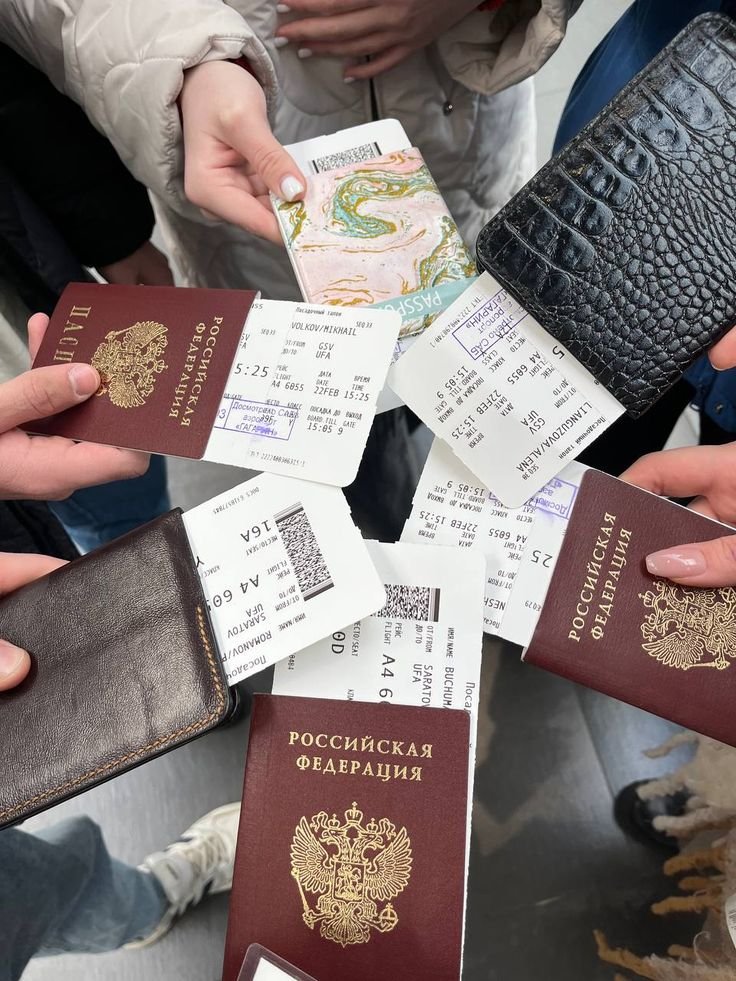
Applying for a visa can feel stressful, especially when you are not sure which documents are required or how to prepare them properly. Whether you are travelling for study, work, tourism, family visits, business, transit, or relocation, your documents play an important role in helping the visa officer understand your purpose of travel, financial readiness, personal background, and intention to follow the conditions of the visa. At BS Travel and Tour Services, we assist clients with visa application guidance, documentation support, appointment booking assistance, and travel preparation for destinations such as the UK, Canada, USA, Australia, New Zealand, Europe, Africa, and Asia. The goal is to help travellers prepare in a more organized and confident way before starting their visa process. Why Documents Matter in a Visa Application Your visa documents tell the story of your travel purpose. They help show who you are, why you want to travel, how long you plan to stay, how you will support yourself, and whether you have a reason to return or comply with the visa conditions. Incomplete, unclear, or inconsistent documents can lead to delays, extra questions, or possible refusal. That is why it is important to prepare your documents carefully before submitting your application or attending your visa appointment. 1. Valid Passport Your passport is one of the most important documents for any visa application. Before applying, check that your passport is valid and in good condition. Your passport should usually have: Enough validity beyond your intended travel date Blank pages for visa stamps or entry stamps Clear personal details No serious damage, missing pages, or unreadable information Some countries may require your passport to be valid for at least six months beyond your travel date, while others may have different rules. Always confirm the requirement for your destination country before applying. 2. Visa Application Form Most visa applications require a completed application form. This may be done online or through a paper-based process, depending on the country and visa type. Your application form should be completed carefully with accurate details, including: Full name as shown on your passport Date of birth Passport number Travel purpose Destination address Employment or school details Travel history Family information Financial information Contact details Avoid guessing information. Mistakes on the application form can create problems if they do not match your supporting documents. 3. Passport-Size Photographs Many visa applications require recent passport-size photographs. The size, background colour, facial expression, and photo quality may differ depending on the destination country. A good visa photo should usually be: Recent Clear and high quality Taken against the correct background Properly sized according to the visa requirement Free from shadows, filters, or heavy editing Do not assume that one photo size works for every country. Always check the specific photo requirements for your visa category. 4. Proof of Travel Purpose You need to show why you are travelling. The documents required will depend on your visa type. For a visit visa, you may need: Invitation letter Hotel booking Travel itinerary Event invitation Family visit details Tourism plan For a student visa, you may need: Admission letter School acceptance letter Tuition payment proof, where applicable Academic documents Study plan or statement of purpose Sponsorship documents For a work visa, you may need: Job offer letter Employment contract Work permit documents Employer details Professional certificates CV or work experience documents For a family visa, you may need: Marriage certificate Birth certificate Proof of relationship Sponsor documents Invitation or support letter Sponsor’s immigration status documents 5. Proof of Funds Many visa applications require proof that you can support yourself during your stay. This helps show that you have the financial ability to cover travel, accommodation, food, transport, tuition, or other expenses. Common proof of funds documents include: Bank statements Payslips Employment letter Business registration documents Tax records Sponsorship letter Sponsor’s bank statements Scholarship letter, where applicable Your financial documents should be clear, consistent, and relevant to your travel purpose. If someone is sponsoring your trip, you may need to show their relationship to you and their ability to support you. 6. Employment or Business Documents If you are employed, your work documents can help show your current status in Ghana and your reason to return after travel. Employment documents may include: Employment letter Leave approval letter Recent payslips Staff ID, where applicable Tax or social security documents If you are self-employed or a business owner, you may need: Business registration certificate Business bank statements Tax documents Business profile Invoices or contracts Evidence of business activity These documents can help support your application, especially for visit, business, or tourist visas. 7. Academic Documents For student visa applications, academic documents are usually very important. They help show your education background and eligibility for the programme you want to study. Common academic documents include: Admission letter Certificates Transcripts Recommendation letters English test results, where required Previous school records Statement of purpose Proof of tuition payment, where applicable Students should make sure their school documents match the information provided in their visa application form. 8. Accommodation Details Many visa applications require information about where you will stay during your trip. Accommodation documents may include: Hotel booking Invitation letter from host Host’s address Tenancy details, where applicable School accommodation confirmation Employer-arranged accommodation documents The accommodation details should match your travel plan and visa application information. 9. Travel Itinerary or Flight Reservation Some visa applications may require a travel itinerary or flight reservation. This helps show your intended travel dates and travel plan. This may include: Intended departure date Intended return date Flight reservation Travel route Planned cities or locations Tour plan, where applicable You should be careful before buying a non-refundable ticket unless the visa process specifically requires it or you are fully sure of your travel plans. 10. Invitation Letter If you are visiting family, friends, a company, school, or an event organizer, you may need an invitation letter. An invitation letter may include: Name of the person or organization inviting you Address and contact